|
Features and Benefits |
|
CoolScanä Coolant Testing |
|
The John Deere CoolScan Analysis Program determines the operating condition of the coolant and cool-ant systems. The PH and alkalinity of "make up" coolant and its additive package can also alter the stability index of the solution. Reports provide clear recommendations for maintenance of the coolant and cooling system, especially with the use of long life coolants. |
|
CoolScan ReportCoolScan reports on the following system conditions: Cylinder-liner pitting protection Metallic corrosion protection Freeze point (antifreeze concentration and boil-over protection) pH Level Level of supplemental additives |
How to use CoolScan |
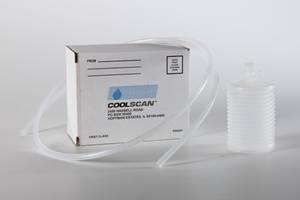
Coolant sampling intervalsCoolScan is most effective when oil samples are taken one a calendar basis. If the machine to be tested is only to be used seasonally, a sample once each year is enough. However, if the machine is used year round, sampling twice a year ensures protection levels are adequate. The most effective frequencies for taking coolant samples depends on the machine type, severity of the application and operating conditions. The conditions reflected in the COOLSCAN reposts will assist in determining proper and safe intervals. 1. Purchase test kit Purchase CoolScan skits from your John Deere Dealer. 2. Fill out the sample container label The label on the 38mm sample jar of Bellows® must always be filled out completely to provide proper sample identification, aid tracking in the laboratory and provide for the correct interpretation of the test results. 3. Collect a coolant sample Coolant should be taken from the machine within a reasonable period after engine shutdown to ensure the pressure in the system has subsided. Sample points in the order of preference are: Engine: a) The radiator fill area. Use suction pump with the 38mm jar or a bellows and tube. b) The radiator drain plug. Use the 38mm jar and catch the sample halfway through the drain. 4. Fill out the sample processing form This forma must be completed in full for every coolant sample being sent in for analysis. Other information required for an accurate evaluation is detailed on page 20. See Sample Processing Form Instructions. 5. Send in the sample Send the sample to the lab the same day it is taken. Make sure the completed Sample Processing form is included, the coolant sample label is complete and the container lid is secure. Place the sample in the plastic bag provided. Do not put the Sample Processing Form in the bag with the sample. |
Fill out the coolant sample label |
|
Name: Indicate the customer’s name on each sample container label. This will be the same information as on the Sample Processing Form. Sample ID: Write in the unit number from which the sample was taken. This number should be the same as shown for the Machine ID section on the Sample Processing Form. Date System Charged: This is the date the system was charged with new coolant. Date Sampled: Indicate the date the sample was taken.
|
Located on the bottom of Bellows and side of 38mm jar |

Collecting a coolant sample |
|
|
Important: Sample only when component has been operating for at least 15 minutes. This ensures the sample is truly representative of the cooling system. Note: Caution should be taken when sampling from equipment recently operated.
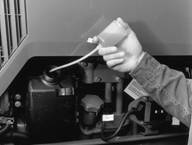
For sampling with the Bellows®, follow instructions as instructed below: |
|
|
1) Fill out the label on the sample container. 2) Insert one end of the plastic tube into the top of the Bellows. 3) Insert the plastic tube through the radiator cap opening, to the depth of about 1 in. If sampling from a surge tank, insert the tube to half the depth of the tank. 4) Hold the Bellows just below horizontal and compress it from the bottom. Allow the Bellows to expand and draw the coolant up and inside it. Repeat this process until the Bellows is at least three-quarters full. Take all future samples in the same manner. 5) Remove the plastic tube from the radiator and discard. Do not reuse the plastic tube!
Put the sample container into the plastic bag provided. Do not put ID Form into the bag with the sample; the coolant will destroy it! Send the sample in the box provided. |
|
|
Wear characteristics and maintenance tips |
|
Coolant Sample Test Results: The lab report is the heart of the coolant analysis program. The test report that is mailed or faxed will indicate the condition of the coolant sample plus maintenance recommendations. If there are any questions about the report or the recommendations, call the laboratory. Refer to the Comp. Ref. Number and Lab Number which are at the top of every report. Data analysts at the lab will be able to answer any questions you may have. Note: If a report indicates a critical situation, the dealer will be called and then sent a fax. Be sure the fax at the end-user location has also been included on the Sample Processing Form. Coolscan coolant analysis is performed by an independent testing laboratory specializing in the analysis of used coolant. The analysis consists of: 1) Freeze Point, Degrees F: The freezing point of the coolant expressed in degrees Fahrenheit. This determines the safe level of operation based on ambient temperature. 2) Percent Antifreeze: Indicates the antifreeze to water ratio expressed as a percentage of antifreeze present in the sample. 3) pH: Determines the alkalinity range in the coolant. Proper pH prevents accelerated rates of corrosion. 4) Reserve Alkalinity: Indicates the remaining level of inhibitor required to neutralize acids. 5) Nitrite/Molybdate: Additives, which form a protective, film on iron surfaces and protect against erosion, cavitation and pitting. 6) Silicate: Antifoaming agent. Corrosion inhibitor (specific to aluminum). 7) Visual Assessment: For debris, oil, rust, corrosion by products and inhibitor fallout. Feedback influences the future recommendations by the lab. |
|
Coolant Maintenance Recommendations: When the testing of the coolant is completed, the results are analyzed and evaluated. The evaluation will result in: (1) Statements that express coolant condition severities (normal, monitor, abnormal or critical). (2) Statements of problems, causes or conditions. (3) A statement on recommended diagnostics and/or any corrective action. (4) Recommended follow-up sampling interval. (5) Contact information, feedback, etc.
In all cases, the final decision to follow the recommendations lies with the end user. Coolscan provides a tool to monitor the maintenance practices and procedures used on equipment. The quality of the analysis is directly related to the quality of the sample taken, the information provided and the desire to use the program to its full potential.
As noted in (1) above, the interpretation of test results conveys the overall coolant condition and the relative severity of contamination into three main classifications: ¨ Normal ¨ Component wear rates and physical properties of the coolant are within acceptable limits. No signs of excessive contamination are present. ¨ Abnormal ¨ Physical properties, and/or contamination and clearly unsatisfactory, but not critical. Additional diagnostic procedures may be needed to confirm each condition. Corrective action is necessary to prevent reduction of equipment service life. ¨ Critical Abnormal ¨ Coolant physical properties, contamination and/or component wear is clearly serious enough to require immediate diagnostics and corrective action. High probability of major long-term loss of performance or catastrophic component failure in service. It may be necessary to remove the unit/component from service until a confirming re-sample is tested and diagnostics confirm that major repairs are required. |
Filling out the Coolscan™ coolant analysis form |
|
|
|
Below are the instructions for properly filling out the sample processing form. Include the top copy of the form with each sample submitted to the lab.
SAMPLE SUBMITTED BY:1) Company/Customer: Provide complete customer name, address, phone and fax numbers and contact person. The lab cannot establish contact on critical test results if this information is incomplete. 2) Job Location: Add this information if equipment is being operated at more than one work site (such as leased equipment or equipment being sampled away from the main company location). 3) Dealer: The John Deere dealer name, address, phone, fax number and contact is required on every sample sent to the lab for testing. Dealer name, address and contact are preprinted on the form. However, the dealer may wish to add dealer phone and fax numbers to the forms before reselling the kits. This will ensure that an abnormal or critical fax report could be sent to the dealer as well as the customer when appropriate. 4) Pin Number: The Product Identification Number (PIN) is a unique 13 digit machine identification number. Including this number is important, as it is the sole identifier for each machine and its components. 5) Customer Machine ID: This is the asset number assigned to the machine by the end user. 6) Engine Type: Indicate type of fuel – diesel, natural gas, gasoline, etc. 7) Miles/Hours Since New or Overhauled: Enter appropriate miles or hours. 8) Miles/Hours Since Coolant Change: Show date new coolant was added to the system. 9) Sample Date: Show the date the sample was taken.
COOLING SYSTEM INFORMATION10) Coolant System Capacity: Show to the nearest gallon. 11) Antifreeze Type: Indicate ethylene glycol, polypropylene glycol, none, etc. 12) Supplemental Additives: Show none, pre-mix or brand of supplemental additives used. 13) Antifreeze to Water Ratio: Show as percentage 50-50%, 60-40%, etc. 14) Type Filters: Identify the filter manufacturer, whether pre-treated, etc. |

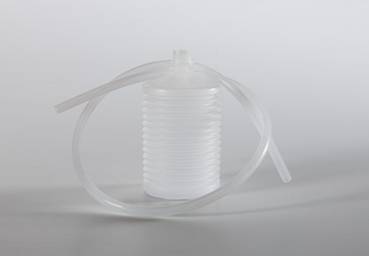
CoolScan bellows kit |
|
|
Order information |
||
|
Part |
|
Pkg. |
|
DS0251 |
CoolScan Bellows Kit |
10 |
Last modified: 22May15.